
02.01.2026
No Planet B | New collection on ARTS.FILM
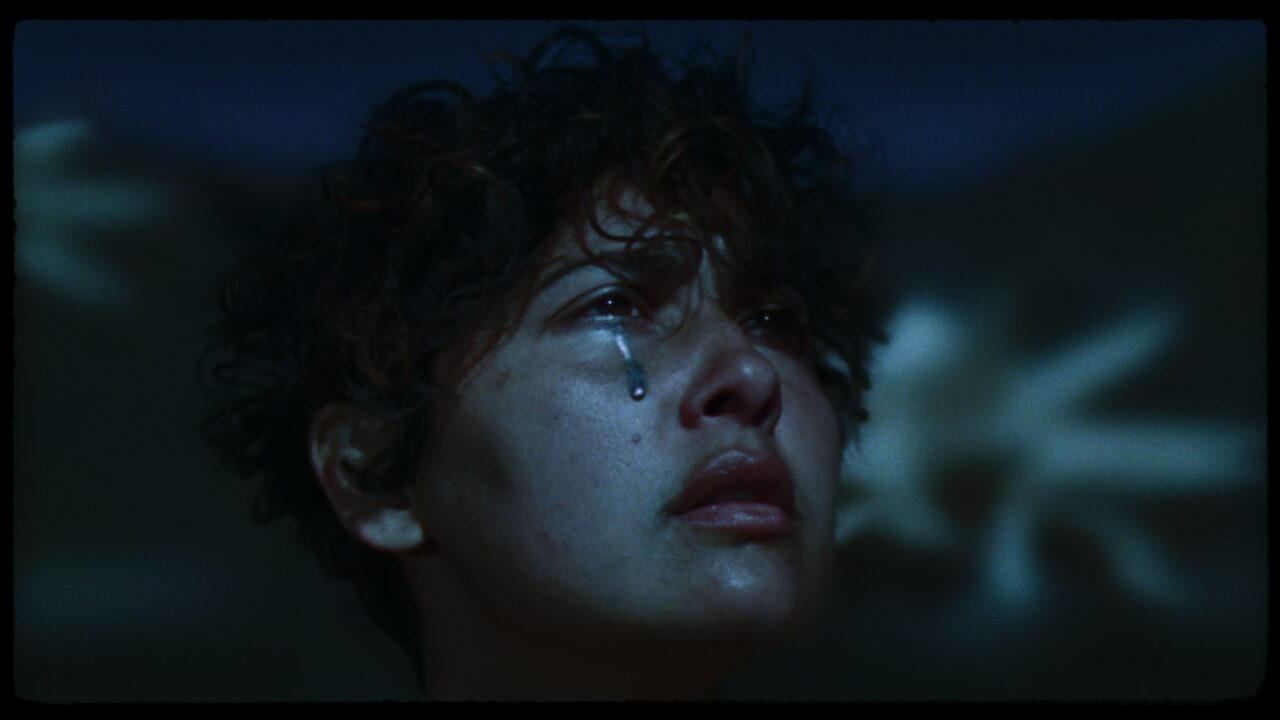
Image from the film ATÉR by Marie Fages
“No Planet B”: the slogan has been popularized in recent years by environmental movements and several international political figures. In ATÉR by Marie Fages, an artist’s film situated in the orbit of Bertrand Mandico’s or René Laloux’s cinema, a woman living on our “wilted planet” sets out in search of a supposedly miraculous lunar energy. With our world in danger, the film raises the question of how we are to inhabit it. In Arthur Erickson: Beauty Between the Lines, filmmakers Ryan Mah and Danny Berish focus on an architect who champions the idea that built structures should integrate with their natural surroundings. The notion of respect, here underlying the work, is also central to Yollotl (Coeur): director Fernando Colin Roque delicately celebrates two millennia-old trees, revealing both their strength and fragility…
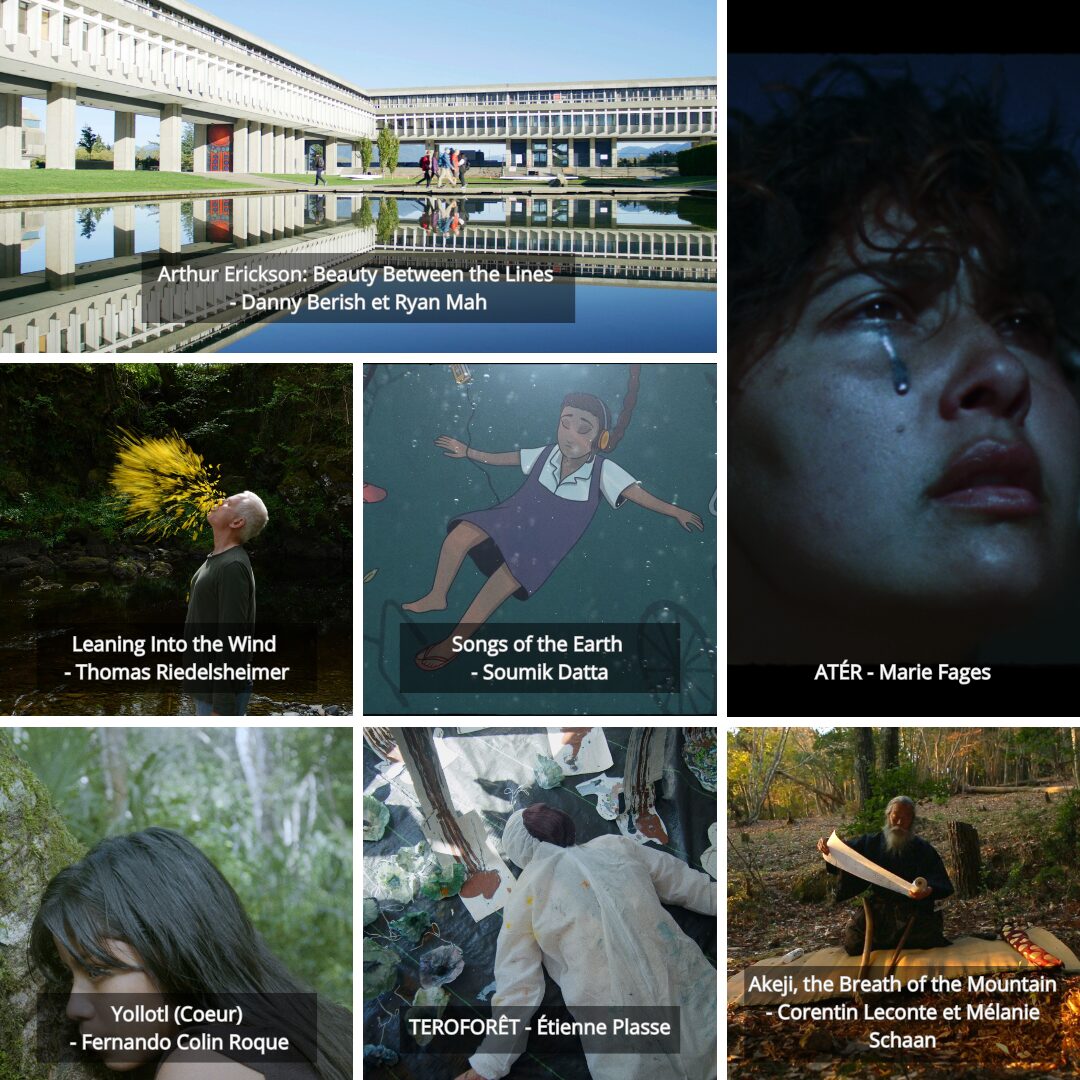
Arthur Erickson: Beauty Between the Lines — Danny Berish et Ryan Mah
(NOUVEAUTÉ)
ATÉR — Marie Fages
(NOUVEAUTÉ)
Leaning Into the Wind — Thomas Riedelsheimer
Songs of the Earth — Soumik Datta
Yollotl (Coeur) — Fernando Colin Roque
TEROFORÊT — Étienne Plasse
Akeji, the Breath of the Mountain — Corentin Leconte et Mélanie Schaan
NEW THIS WEEK
Arthur Erickson: Beauty Between the Lines
Synopsis
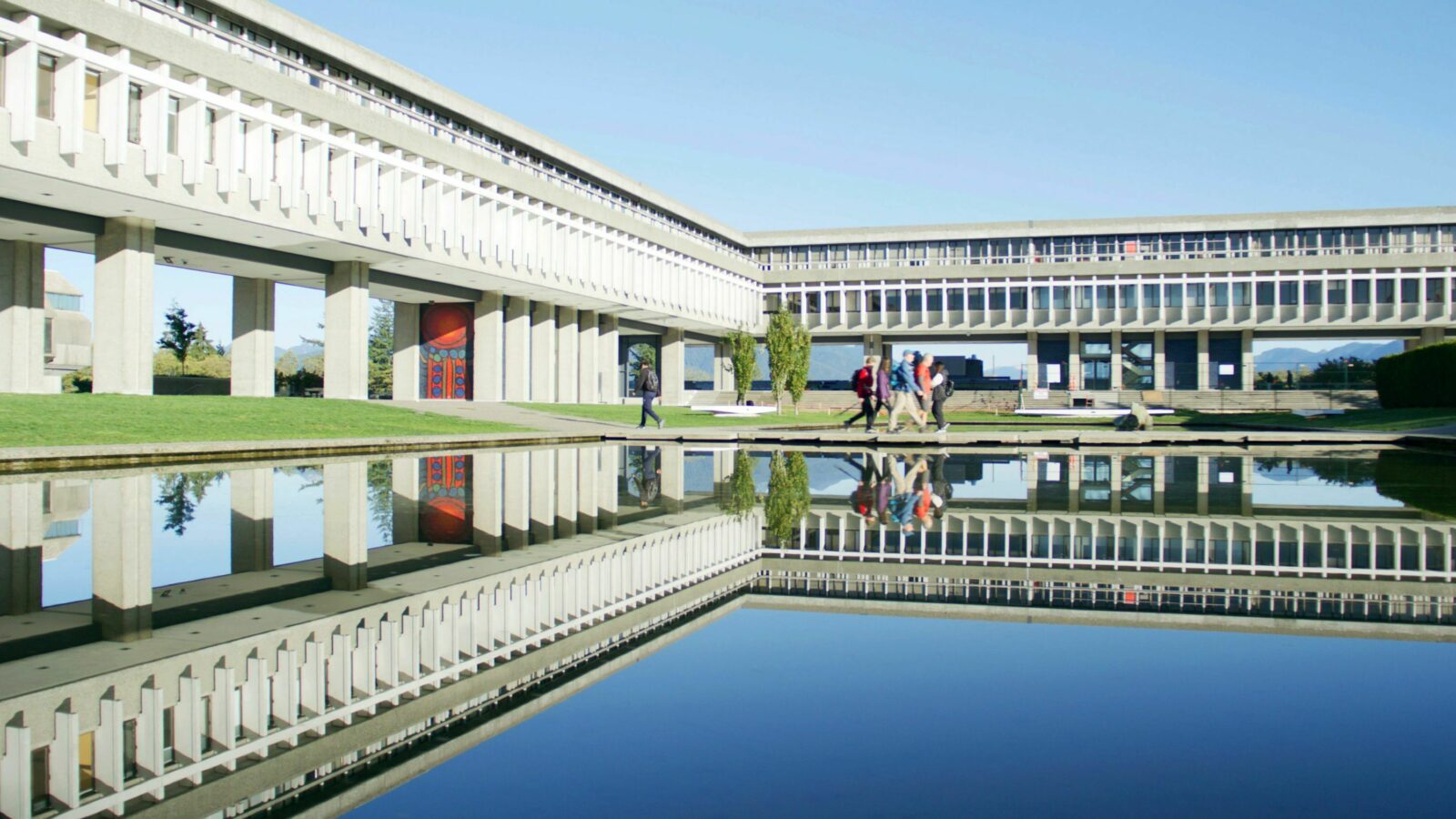
Beauty Between the Lines explores the life and work of Arthur Erickson, a visionary architect who made his mark first in Canada and then on the world stage. Through intimate interviews, previously unseen archival footage, and an immersion in his architectural masterpieces, the film weaves a nuanced portrait of the many facets of his personal and professional life. It reveals a man who transcended traditional boundaries, merging art, culture, and nature, and thereby redefining modern architecture.
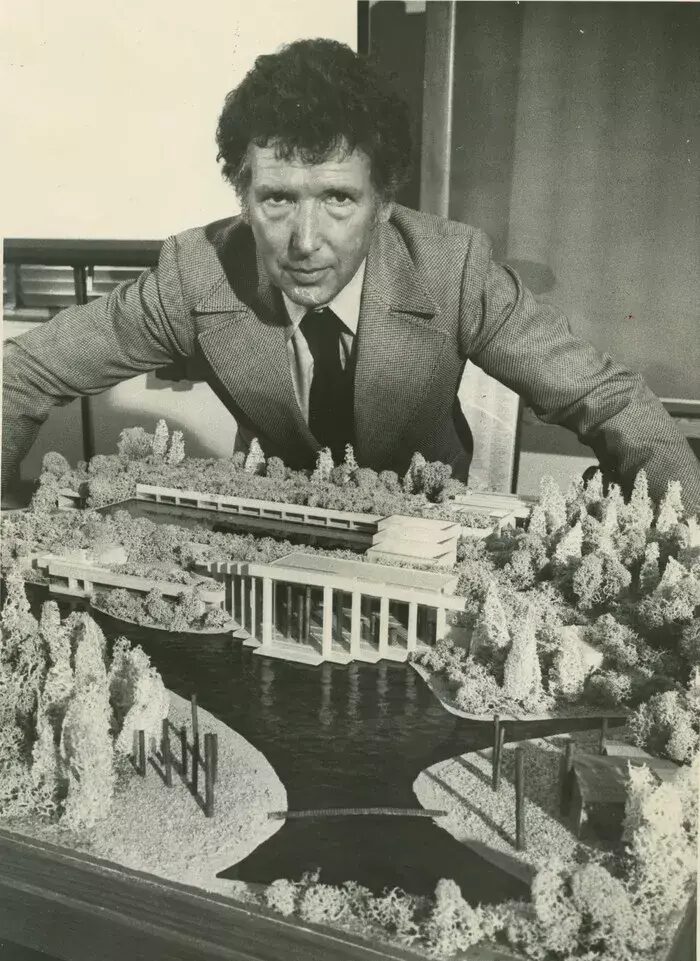
Arthur Erickson (1924‑2009)
Renowned Canadian architect Arthur Erickson had a profound impact on the architectural landscape in Canada and internationally. After preliminary studies at the University of British Columbia, he earned his degree in architecture from McGill University, an education that laid the foundation for his career and innovative approach to space.
Erickson designed buildings in which architecture interacts with the site, light, and environment, combining modernism with contextual sensitivity. Among his iconic achievements are the intimate and sculptural Erickson House in Vancouver; Simon Fraser University, which reimagines academic spaces as landscapes to be explored; and the Museum of Anthropology, where each structure reflects culture and memory.
His work questions the relationship between architecture and human experience. Volumes, lines, and interstices combine to create living spaces capable of transforming everyday life. Even today, his achievements serve as a reference and inspiration for architects and urban planners.
ATÉR
Synopsis
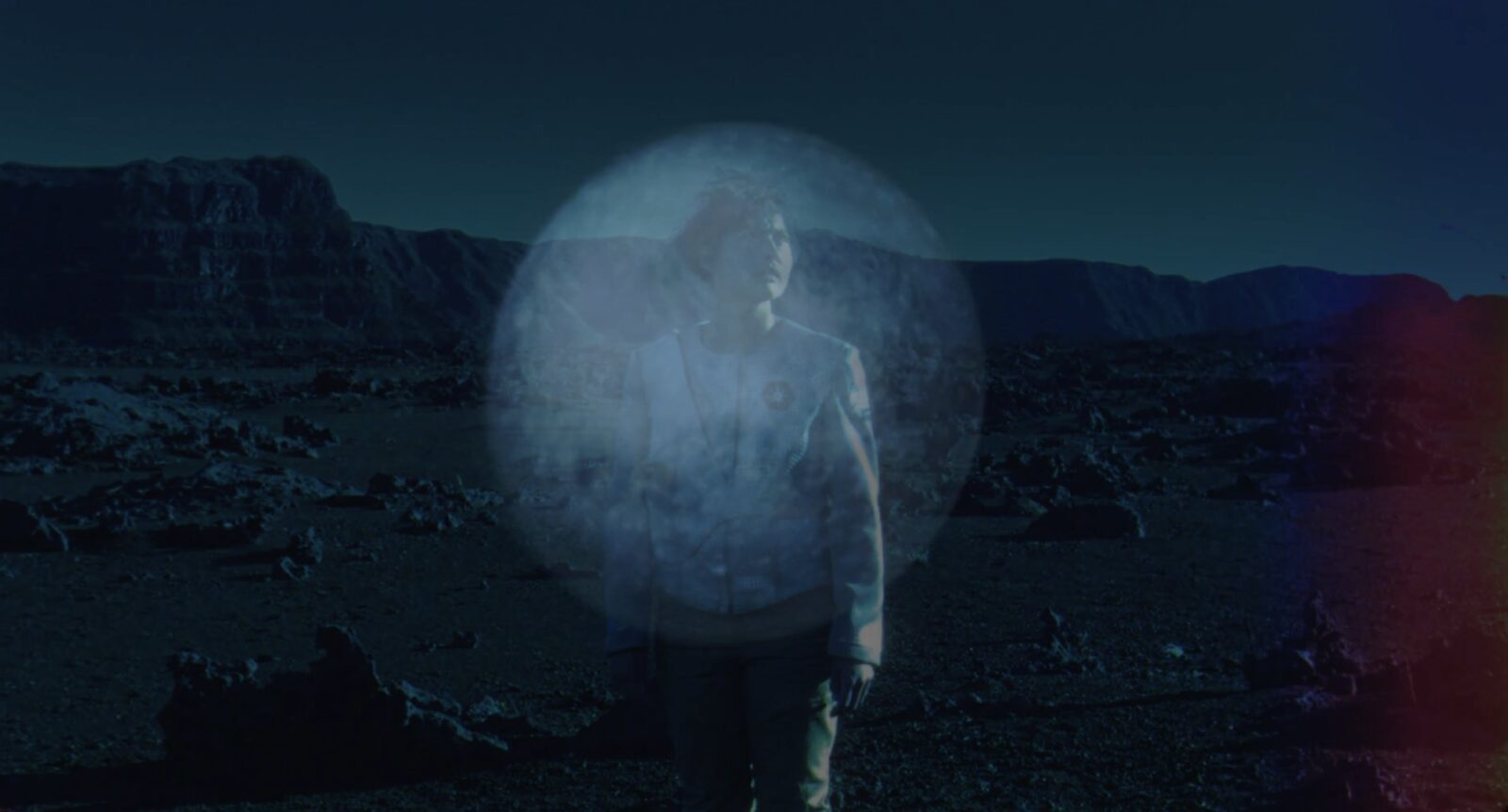
Sahar tirelessly explores the plains and cliffs, the volcanic landscapes of her native island in search of a rare mineral. A voice then disrupts her excavations, shaking her relationship with the world and our Milky Way galaxy.
Trailer. ATÉR - A film by Marie Fages
Digging to find oneself
Sahar sets out to dig up the earth in search of a rare mineral, but very quickly, the physical act becomes a confrontation with the invisible layers of memory. The film transforms the act of searching for a mineral object into an investigation into the passage of time that marks places and bodies. Each stone moved reveals a fragment of history. The cracks speak of past disasters, the rocks bear the traces of inhabitants and ancient eruptions.
Marie Fages shows that it is not only nature that shapes humans, but that our actions themselves inscribe new stories into the landscape. The film is a tactile and sensory experience. Behind this physical dimension lies a concrete dramatic tension: Sahar’s quest becomes obsessive, almost dangerous, as it disturbs forces greater than herself. ATÉR thus explores the intimate relationship between Man and Earth.