
14.11.2025
X‑raying loneliness | New collection on ARTS.FILM
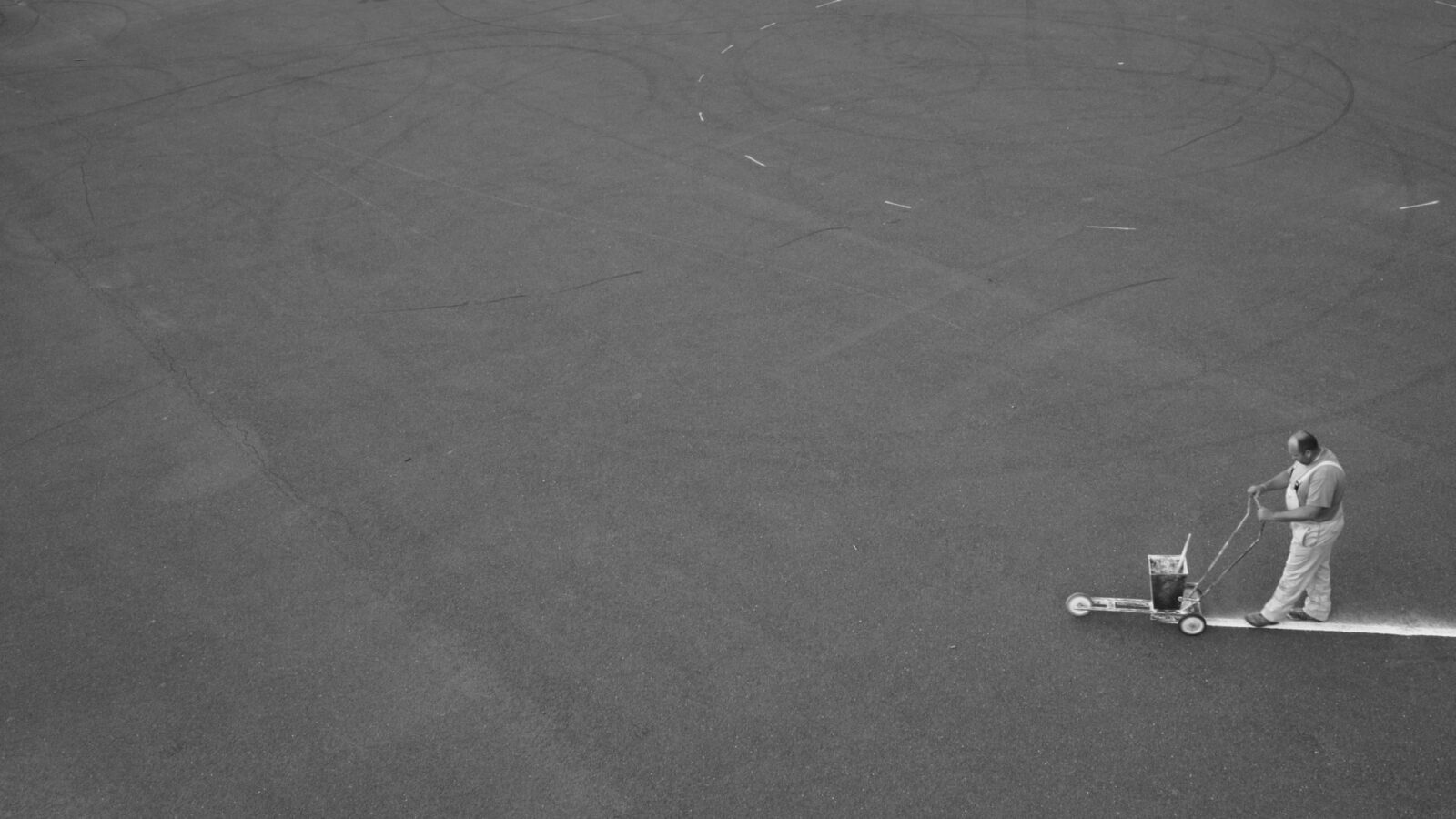
Image from the film LINES by Barbora Sliepková
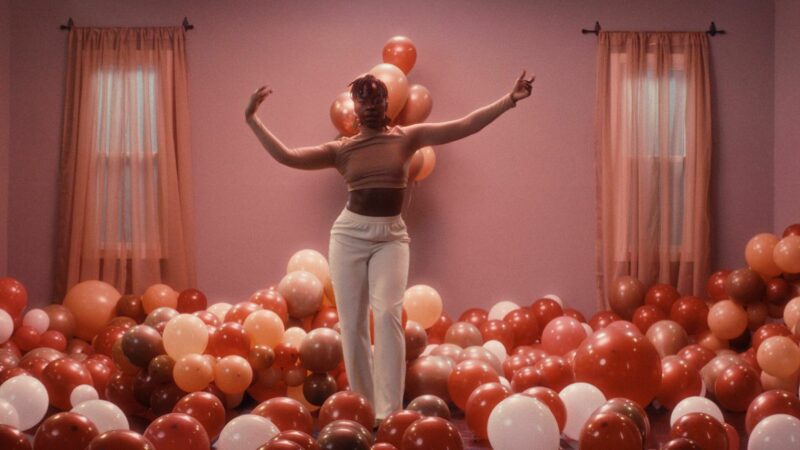
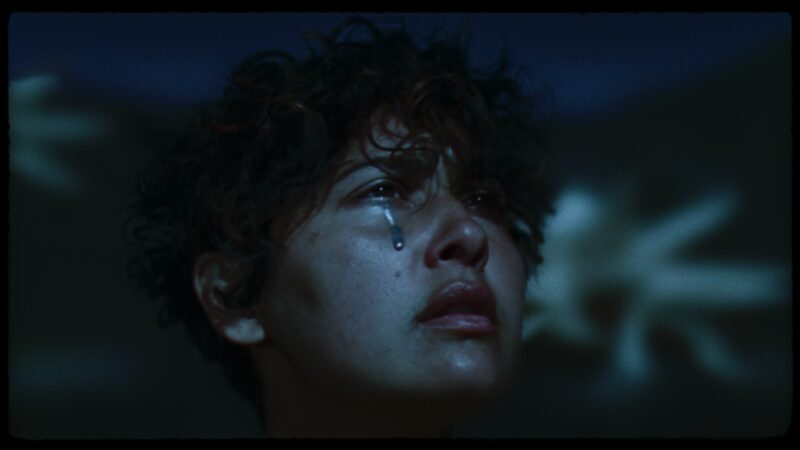
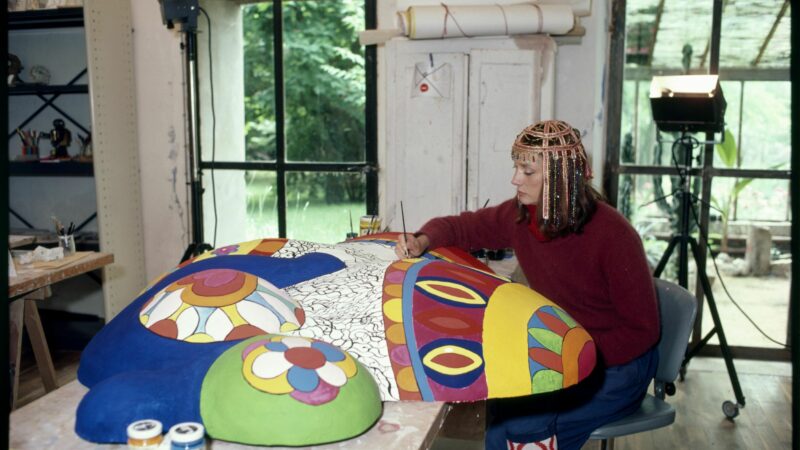
Loneliness may well be the essence of the human condition. Not our words, but those of Edward Hopper (Edward Hopper’s Blank Canvas, directed by Jean-Pierre Devillers), an artist who ceaselessly explored this vast vertigo. In Lines by Barbora Sliepková, this theme is X‑rayed through a black-and-white Bratislava, in a luminous ensemble film where men and women confront, with poetry, an existence defined by absence. A deeply moving documentary, Lines roams the urban landscape with biting humor. Finally, it is this same state of solitude that is dissected in At Arm’s Length: consumed by this malaise, a silent figure embarks on a desperate forward escape.
Discover here eight works and explore, in our collection, this feeling elevated to the level of obsession!

LINES — Barbora Sliepková (NEW)
EDWARD HOPPER’S BLANCK CANVAS — Jean-Pierre Devillers (NEW)
La solitude du joueur de contrebasse au moment d’écrire un poème — Fabrice Castanier
Living with imperfection — Antoine Polin
At Arm’s Length — Robin Pineda Gould
La vie bien remplie de Pierrick Sorin — Cyril Leuthy
Solo — Su Rynard
The Walking Man — Giulio Boato, Lorenzo Danesin
NEW THIS WEEK
LINES by Barbora Sliepková
Synopsis
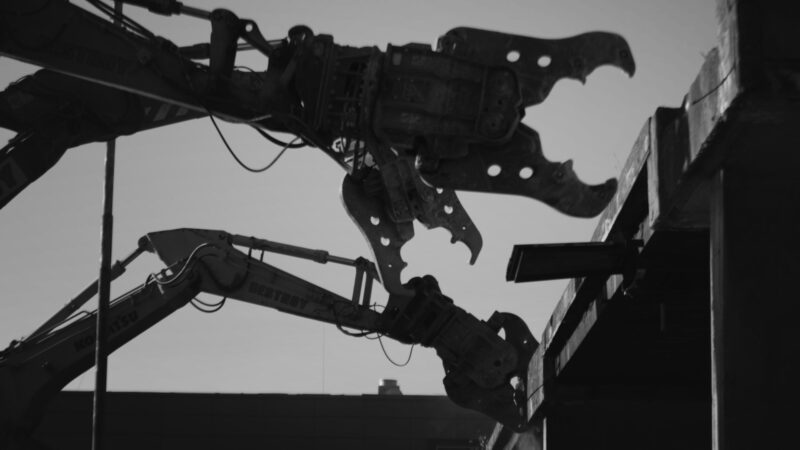
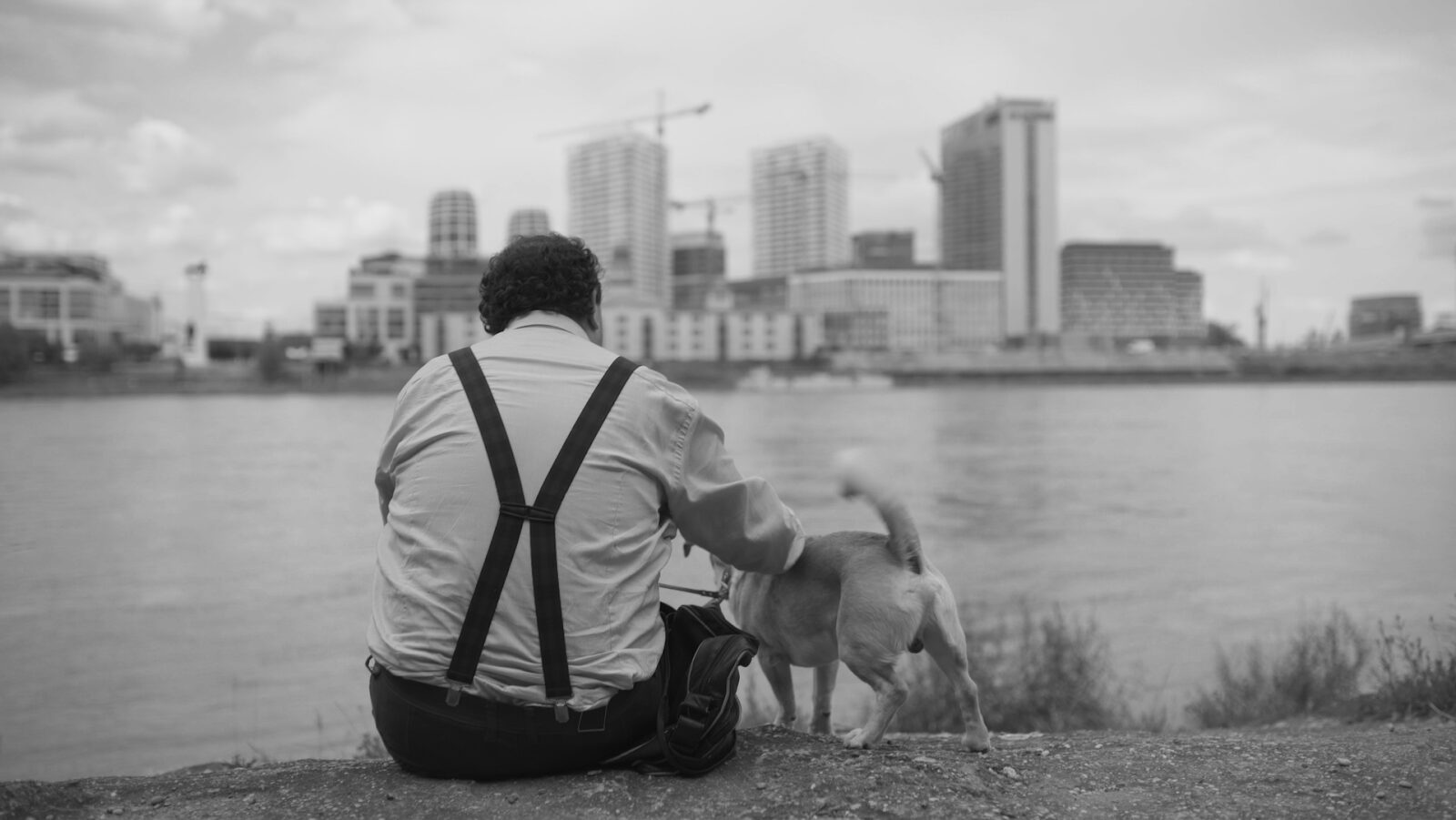
Lines depicts the everyday hustle and bustle of contemporary Bratislava, an exemplary post-socialist city whose inhabitants cope with the constant grind of urban construction, collapsing traffic and rising housing prices, in addition to their own woes.
The city as a central character
In Lines, Barbora Sliepková turns Bratislava into a central character.
The capital of Slovakia, Bratislava stretches along the Danube, at the crossroads of Austria and Hungary. A crossroads city since ancient times, it has undergone centuries of political and cultural transformation, from the Kingdom of Hungary to the Austro-Hungarian Empire, then to the communist and post-communist eras.
Today, its streets combine historical heritage with rapidly changing neighborhoods, reflecting both its rich past and the turmoil of contemporary urban life.
Edward Hopper’s Blank Canvas by Jean-Pierre Devillers
Synopsis :
Bringing Edward Hopper’s work to the screen is an ambitious endeavor, as his paintings intertwine narrative and emotion. This documentary immerses viewers in the painter’s world, from New York to Cape Cod, guided by his own voice, that of his friend Brian O’Doherty, and filmmaker Wim Wenders, who reflects on light and cinema. Through rare archival footage and masterpieces from the MoMA and the Whitney Museum, the film illuminates the life and inspiration of this iconic artist of America from the 1930s to the 1960s.
Edward Hopper
Edward Hopper (1882 – 1967) is one of the most iconic American painters of the 20th century, renowned for his depictions of modern America through seemingly mundane scenes, yet deeply charged with emotion. His paintings, often characterized by empty spaces, solitary interiors, and deserted cities bathed in light, explore themes of loneliness, alienation, and the passage of time.
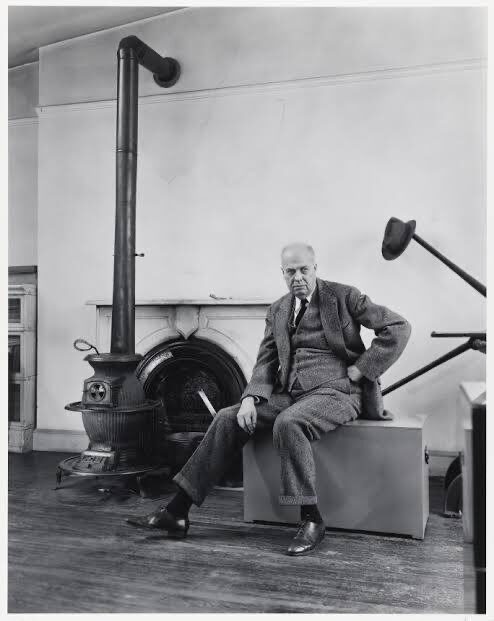
There is something utterly fascinating about Edward Hopper’s practice.
It is not only the precision of his forms or his mastery of perspective, but the singular atmosphere that hovers over each of his paintings: a blend of silence, emptiness, and almost tangible light.
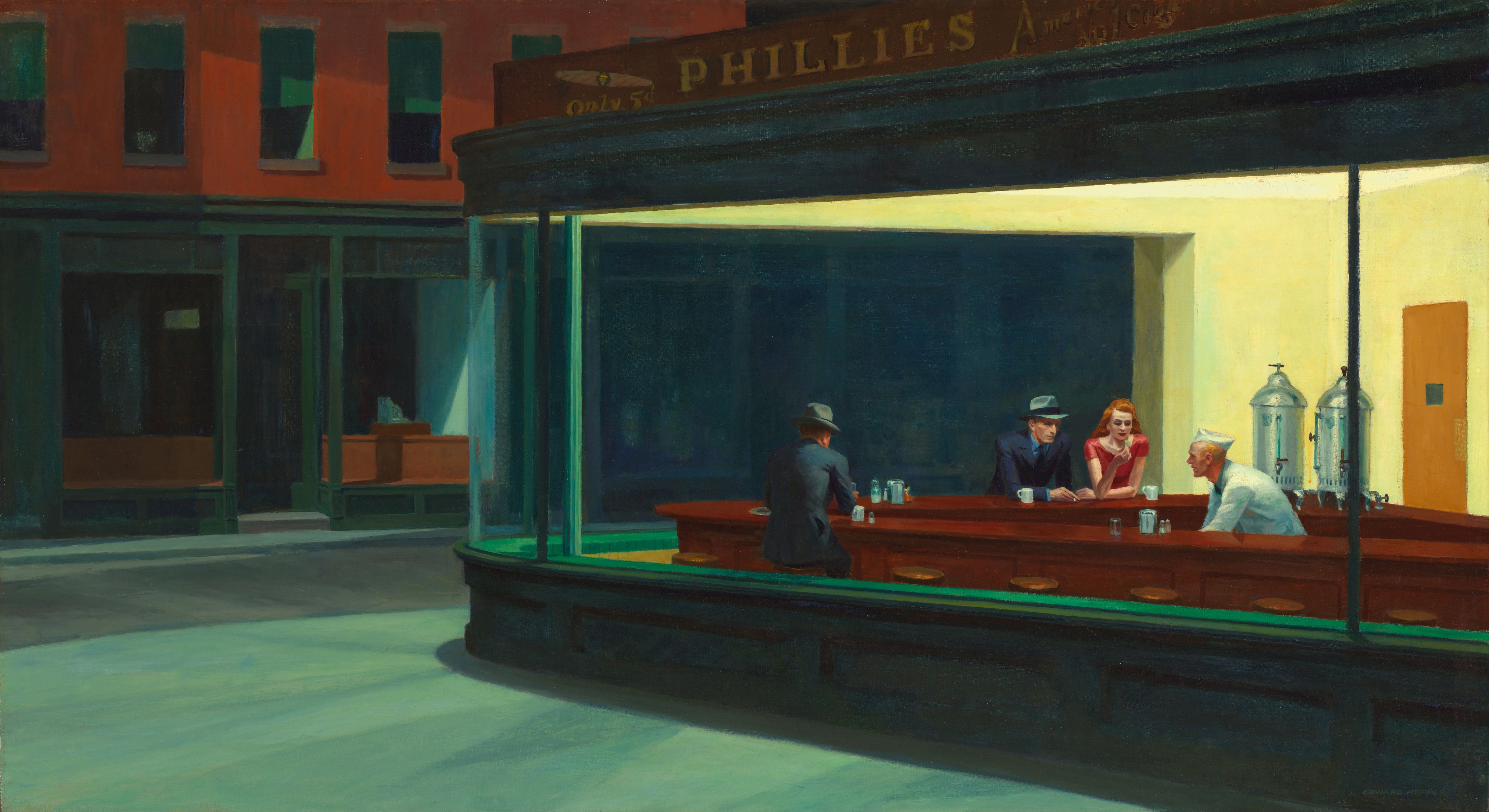
In his documentary, Jean-Pierre Devillers immerses viewers in this world, where every painting tells the story of a changing America. Through the voices of the artist and those close to him, the film reveals an intimate and elusive Hopper, whose work seems to anticipate modern cinema. Through his carefully staged compositions, he already paints what cinema would later narrate.