

16.01.2026
Our Collection of Collectors | New collection on ARTS.FILM
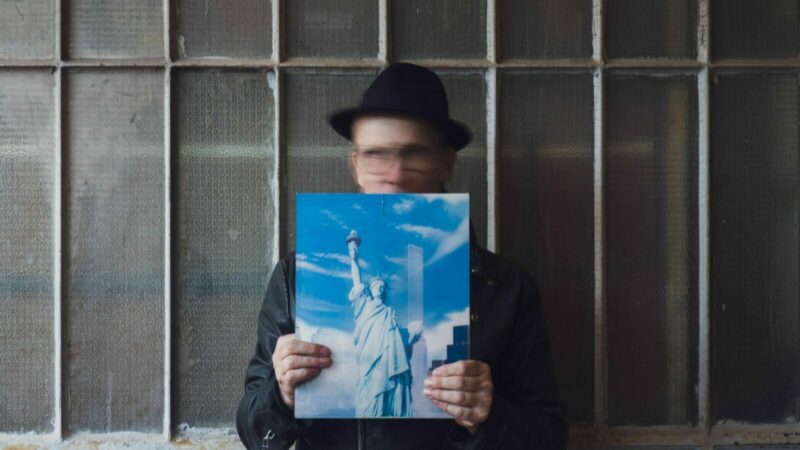
Image from the film La collection qui n'existait pas by Joachim Olender
In this collection, ARTS.FILM collects collectors who themselves set out to collect artworks with the idea of building a collection. Clear enough? Good. Since you’re paying attention, let’s begin by inviting you to discover The Collection That Didn’t Exist (Joachim Olender, 2014). If nothing has unsettled you yet: congratulations. Through the paths of some of the most illustrious collectors, we offer you a chance to rediscover an entire history of modern art and conceptual art. Finally, to round out this selection, The Price of Everything (Nathaniel Kahn, 2018) invites you to take a more critical look at this key player in the art market…
It’s up to you to decide!
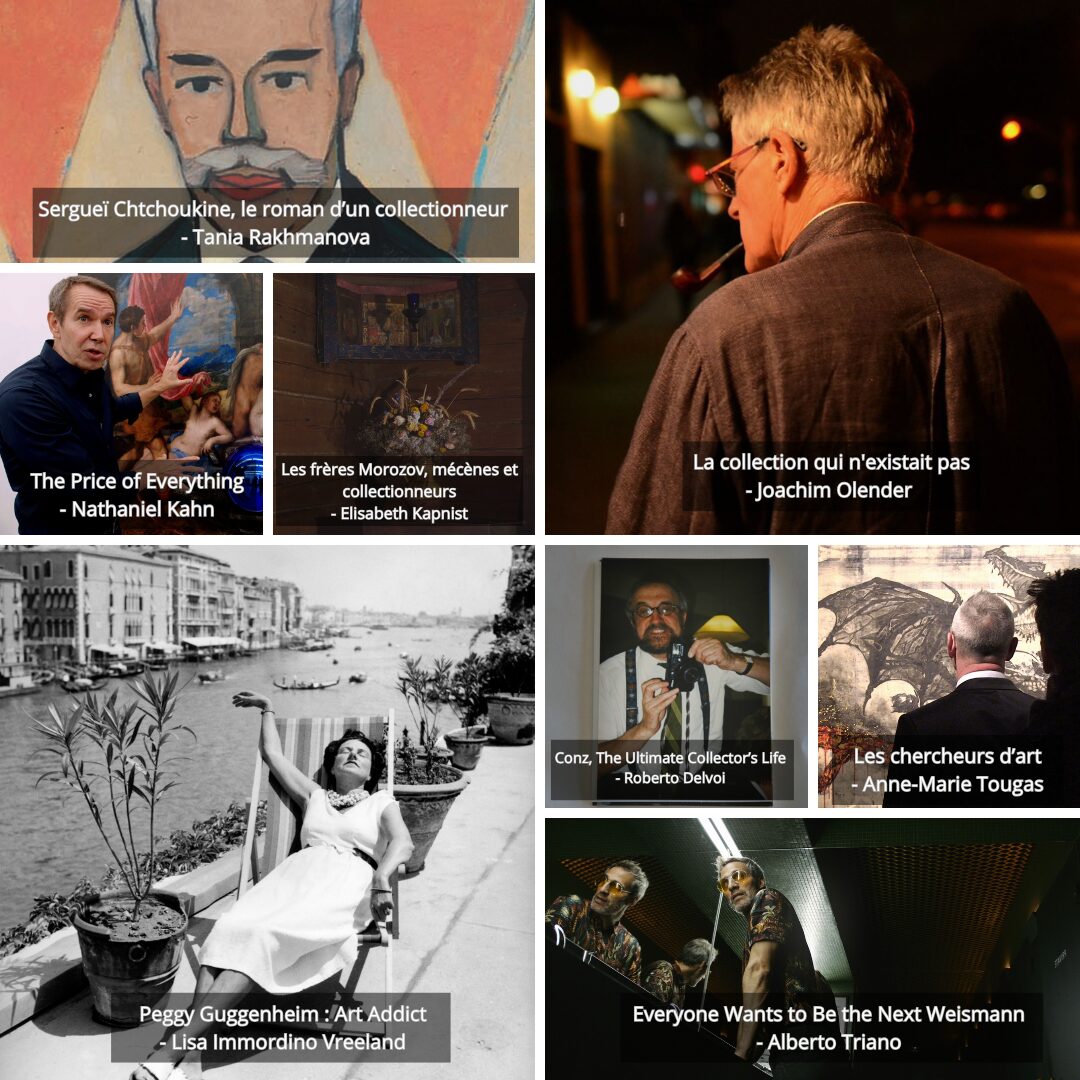
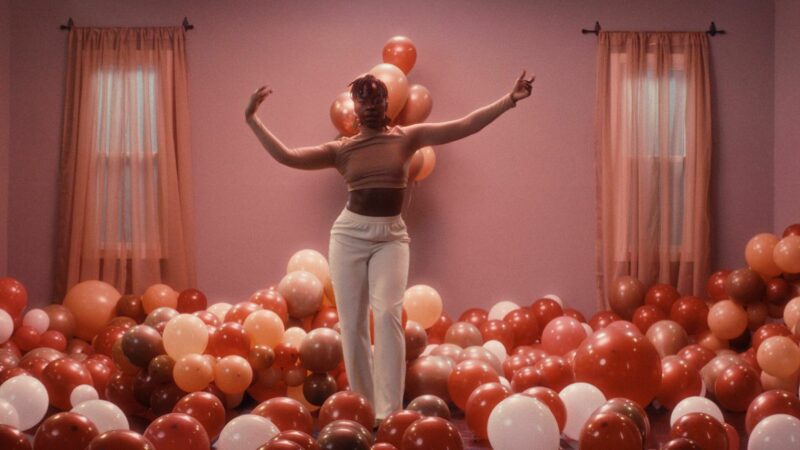
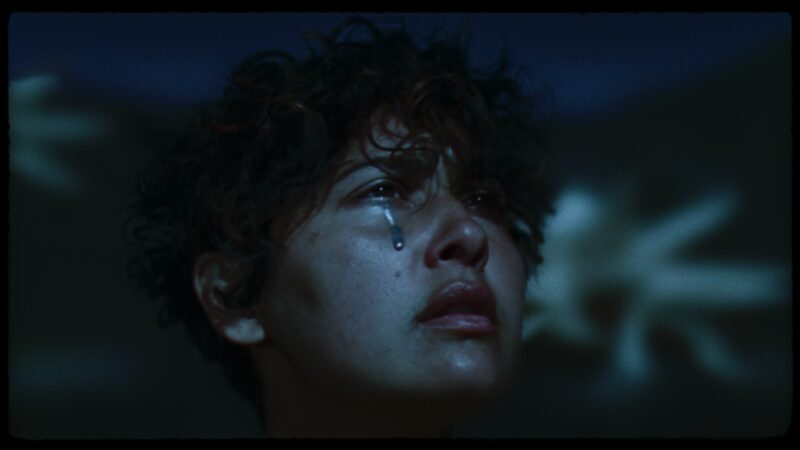
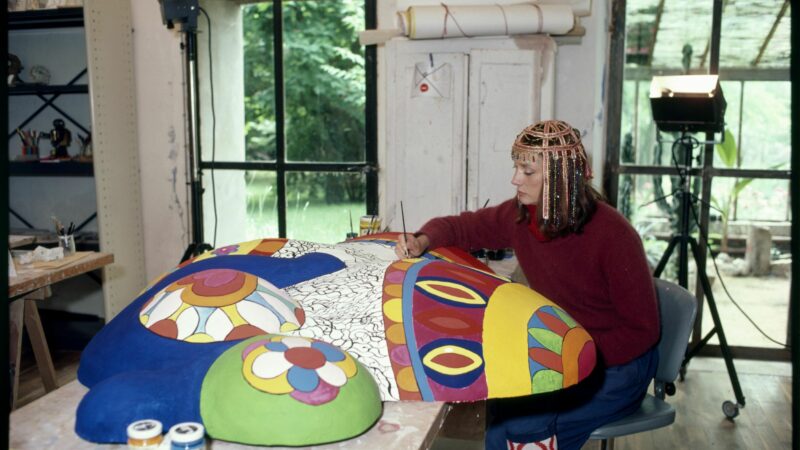
La collection qui n’existait pas — Joachim Olender
(NEW)
Peggy Guggenheim : Art Addict — Lisa Immordino Vreeland
Les frères Morozov, mécènes et collectionneurs — Elisabeth Kapnist
Sergueï Chtchoukine, le roman d’un collectionneur — Tania Rakhmanova
Everyone Wants to Be the Next Weismann - Alberto Triano
Conz, The Ultimate Collector’s Life — Roberto Delvoi
The Price of Everything — Nathaniel Kahn
Les chercheurs d’art — Anne-Marie Tougas
NEW THIS WEEK
La collection qui n’existait pas by Joachim Olender

Synopsis
In June 2011, Herman Daled decides to sell off his collection of conceptual art. The MoMA in New York has proposed to buy it from him. A man looks back at his past, and that of an aesthetic and philosophic movement that marked the second half of the 20th century. Exploring this movement, our film has chosen to hold up a mirror between a man and a philosophy.
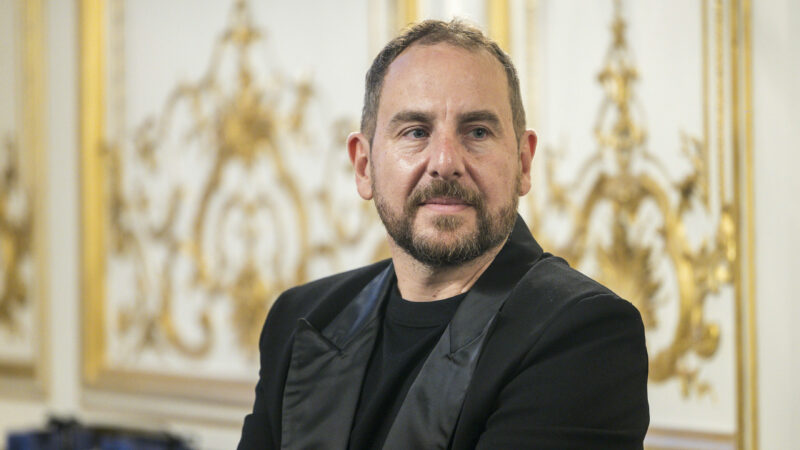
Herman Daled (1930‑2020)

Some collect in order to possess. Herman Daled, by contrast, sharpens his gaze. He listens to the works, follows the artists, and learns their language through sustained loyalty.
A Belgian radiologist who became one of the most singular witnesses to conceptual art, Daled blurs the lines between science and artistic vision. For him, a work is never isolated. It belongs to a constellation of ideas, correspondences, and late-night conversations — sometimes invisible, yet essential. His relationship with artists is never a simple commercial exchange; it is a form of intellectual companionship.
This patience crystallized in the Herman & Nicole Daled Collection, now held at the Museum of Modern Art (MoMA) in New York. In 2011, the museum acquired more than 200 works and archival materials — one of its most significant acquisitions in conceptual art. This journey from Brussels to New York demonstrates how a practice once considered marginal can become a living testament to an entire era.
What is conceptual art? And why was it marginal?
Conceptual art refers to a movement that emerged in the 1960s, mainly in the United States and Europe, bringing together artists who placed the idea above the object. The concept or meaning of the work became the primary artistic material, often documented through texts, photographs, or instructions rather than through a traditional object.
Art conceptuel | Voulez-vous un dessin ? | Centre Pompidou
At the time this movement emerged, it radically shifted the traditional boundaries of art. For a long time, the art world — galleries, salons, and collectors — was structured around visible and saleable objects (paintings, sculptures). Conceptual art, on the other hand, challenges the centrality of the art object. It questions the logic of the market, as well as how works are produced, bought, and perceived. At first, it remained marginal because it did not easily fit into the usual channels.